
Rome Fiumicino Airport Guide

Rome Fiumicino (FCO) is Italy's busiest airport, serving Rome, its metropolitan area, Vatican City and the wider Lazio region about 35 km by road from Rome's historic city centre. It handled 49.2 million passengers in 2024 across two terminals — Terminal 1 and Terminal 3. This guide covers terminals, airlines, transport, parking and services at Fiumicino.

Terminal 1 & Terminal 3

Terminal 1 runs the A gates (A1–A83) and grew north-west after the former Terminal 2 closed in 2017; Terminal 3 is the largest, absorbing the former Terminal 5 and the non-Schengen satellite with E gates (E1–E61). The airside SkyBridge train links Terminal 3 with gate area E31–E44.

Getting to Fiumicino

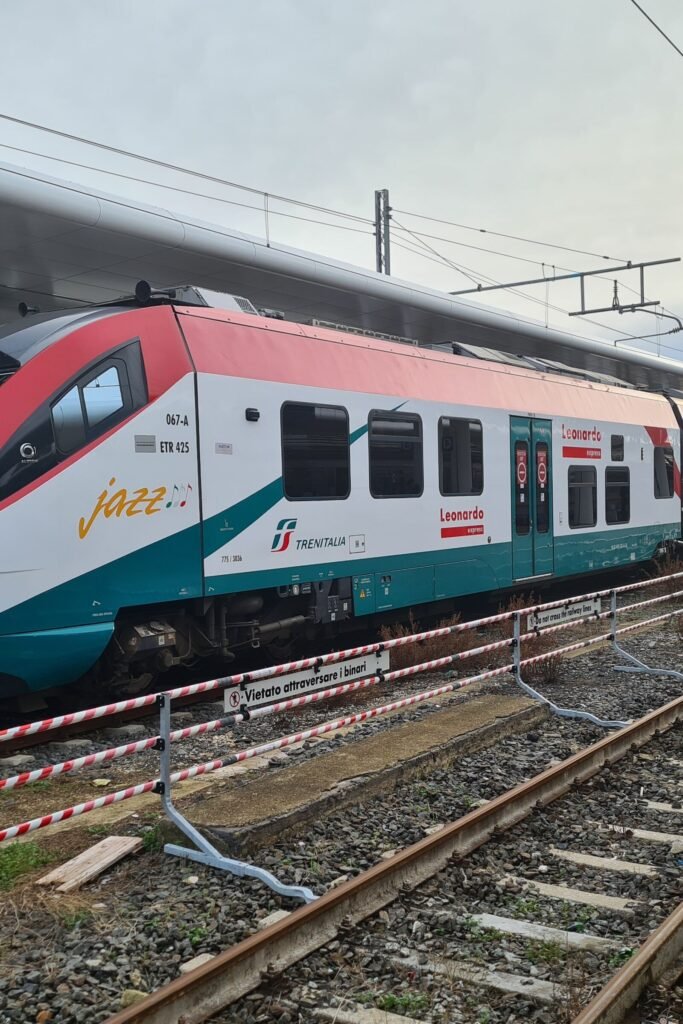
The Leonardo Express reaches Roma Termini in 32 minutes, non-stop, every 15 minutes; the FL1 regional train runs every 15 minutes to Trastevere, Ostiense and Tiburtina; direct coaches run into Rome, about 35 km by road from the historic centre.

Airport Services & Amenities

SkyBridge automated train inside Terminal 3, parking for every stay (multi-storey P-Terminal A–D, long-term and executive), upgraded taxi platforms at the Terminal 1 and Terminal 3 arrivals, real-time travel information, and reproductions of Leonardo da Vinci’s works on display.

Here's how to get to Fiumicino

Fiumicino lies about 35 km by road from Rome's historic city centre. The Leonardo Express and FL1 trains, direct coaches, taxis and car-sharing, and two motorways connect the airport with Rome and Vatican City.
Train to Rome

By train

The non-stop Leonardo Express reaches Roma Termini in 32 minutes every 15 minutes; the FL1 regional line runs every 15 minutes on working days (every 30 minutes at weekends) at Trastevere, Ostiense, Tuscolana and Tiburtina for metro and tram connections; Frecciarossa high-speed trains run from the airport to Venice and Naples.

Buses & coaches

By bus & coach

Terravision, Schiaffini, SIT Bus Shuttle and Tam Bus run to Termini, Piazza Cavour and Ostiense; COTRAL coaches link the airport to Rome's metro lines, to Fiumicino and to Latina; FlixBus and Itabus operate national routes.

Terminal parking

Parking

Multi-storey P-Terminal parking with zones A–D, plus long-term, executive and motorcycle spaces, all with motorway access to Rome.

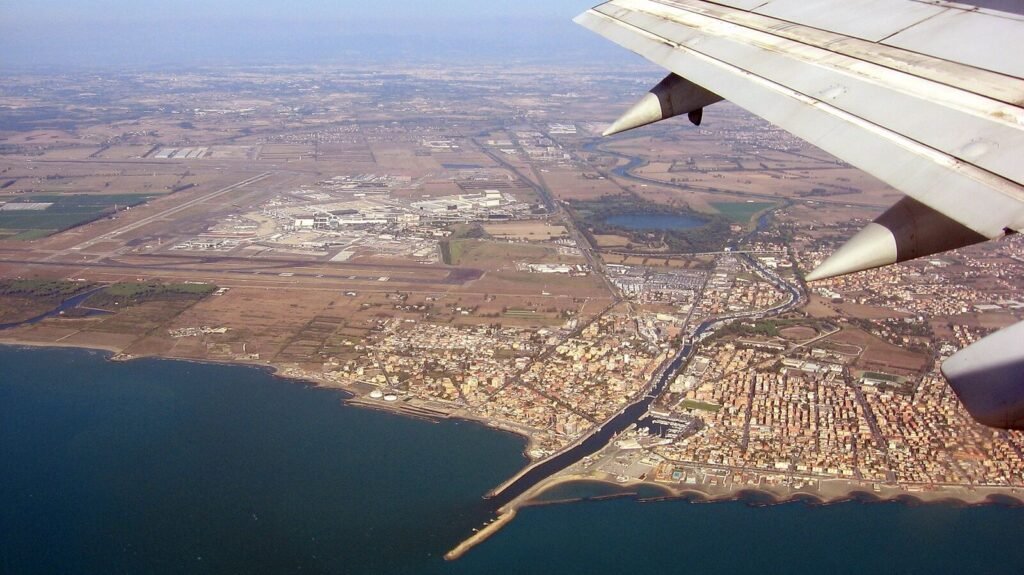
View of Fiumicino airport from the air

About Fiumicino Airport

Opened on 15 January 1961 to relieve Rome Ciampino during the 1960 Summer Olympics, Fiumicino is now Italy's busiest airport: 49.2 million passengers in 2024 and more than 50 million in 2025. Three runways (3,902 m, 3,902 m and 3,190 m) and two terminals serve the capital, with a new Terminal 4 planned.

Always check the airport code on your ticket: Rome has two airports. Fiumicino (FCO) is the main international airport, about 35 km by road from the historic centre, while Ciampino (CIA) remains in service for low-cost, domestic and charter flights. Getting the wrong one can cost you a missed flight.

A Leonardo Express train
Close Welcome Bar